
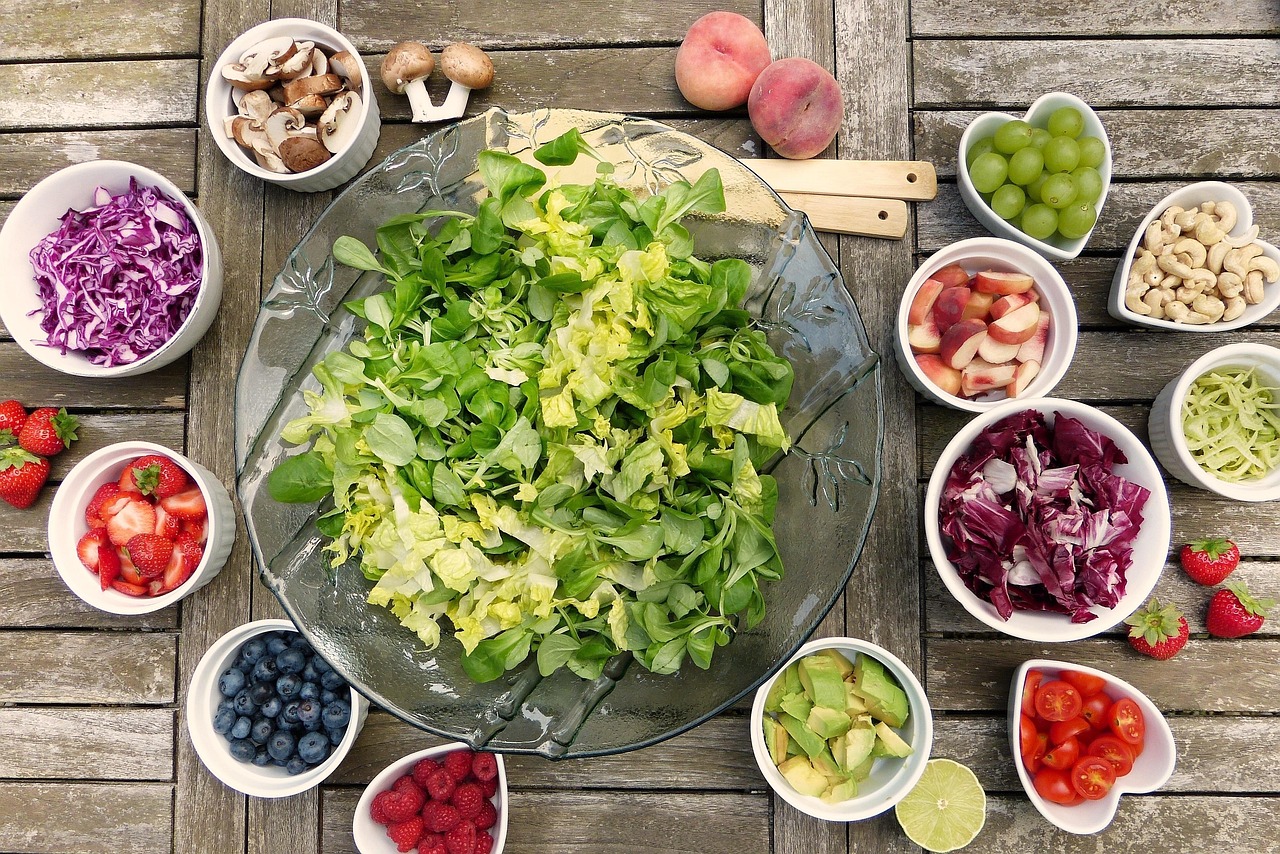
Vitamins and antioxidants are nutrients known as micronutrients. They do not provide energy to the body like macronutrients such as carbohydrates, fats, and proteins. Although their needs are small, they are essential for the body. The human body cannot survive without essential vitamins. To enhance health care, it is important to understand the benefits of each essential vitamin and antioxidant.
1. Vitamin A
This is a fat-soluble vitamin that is essential for the immune system, reproductive system, and vision. Insufficient amounts can lead to vision problems, dry eyes, blindness, and infections.
Food sources: Found in spinach, bell peppers, sweet potatoes, pumpkin, and carrots.
2. Beta-Carotene
This pigment gives the color orange and yellow and belongs to the carotenoid group. It is a precursor to vitamin A, which is beneficial for the immune system and eye health. It also acts as an antioxidant, protecting the body from degeneration.
Food Sources: Found in pumpkin, watermelon, cantaloupe, carrots, and ripe mangoes.
3. Alpha-Carotene
This carotenoid is also a precursor to vitamin A, just like beta-carotene. Although its absorption rate is lower than beta-carotene, research has shown that it is more effective in reducing the growth of abnormal cells or cancer cells, such as lung and prostate cancer.
Food Sources: Found in pumpkin, watermelon, cantaloupe, carrots, ripe mangoes, and beetroot.
4. Beta-Cryptoxanthin (Beta-Cryptoxanthin)
Beta-cryptoxanthin is a carotenoid, a precursor to vitamin A. It is well absorbed and bioavailable by the body. It helps reduce the risk of lung cancer and fights inflammation in the body, particularly inflammation that contributes to the risk of rheumatoid arthritis.
Food sources: Found in papaya, ripe mangoes, oranges, corn, bell peppers, and egg yolks.
5. Vitamin C
This water-soluble vitamin is important for preventing diseases of the immune system, cardiovascular system, and iron absorption. Furthermore, vitamin C contributes to tissue formation, thus contributing to wound repair and maintaining healthy cartilage, bones, and teeth.
Food Sources: Found in citrus fruits, watermelon, cabbage, and berries.
6. Vitamin E
This fat-soluble vitamin is used by the body to maintain normal nervous system and immune system function, skin, hair, and vision growth, and to fight inflammation. In some cases, low blood levels of vitamin E are found in conditions where the body has problems with nutrient absorption, such as Crohn's disease.
Food Sources: Found in corn, peanut oil, avocados, and various nuts.
7. Coenzyme Q10
This antioxidant is abundant in mitochondria, which provide energy to cells throughout the body. Therefore, it is crucial for cells that require continuous energy. Heart muscle cells, lung cells, and liver cells that are responsible for creating energy for the body, if their blood levels are low, will be at risk of heart disease and physical exhaustion. Currently, doctors recommend taking Coenzyme Q10 to relieve symptoms caused by heart disease and high blood pressure, and for those who are taking cholesterol-lowering medications.
Food sources: Found in deep-sea fish, spinach, broccoli, black sesame, and pistachios.
8. Lycopene
This antioxidant gives plants their red color. It protects cells from damage caused by free radicals and reduces the risk of abnormal cell division or cancer.
Food sources: Found in tomatoes, watermelon, pink guava, and grapefruit.
9. Lutein
This carotenoid compound is responsible for the yellow and red colors of plants. It is a powerful antioxidant that protects eye health from damage caused by free radicals, UV light, and even blue light. Lycopene is abundantly found in the retina due to its ability to absorb excess light entering the eye. This can help prevent macular degeneration.
Food Sources: Found in dark green leafy vegetables such as kale, coriander, spinach, and broccoli.
10. Zeaxanthin
Zeaxanthin is another carotenoid compound found abundantly in the retina, protecting the eyes from light and free radicals. It is often found together with lutein. It also has the ability to protect the skin from UVB (sun-induced) damage.
Food Sources: Found in dark green leafy vegetables such as kale, coriander, spinach, and broccoli.
In addition to diet, supplementing with vitamins and antioxidants can be done through vitamin pills. Consult a medical professional to ensure the right vitamins and antioxidants meet your body's needs for safety and optimal health.
Credit: https://www.bdmswellness.com/knowledge/10-vitamins-and-antioxidant